OpenAI Select Partner
Completion certificates your team can put on LinkedIn.
Workforce AI enablement. OpenAI Select Partner. Built for Tech and NonTech functions. Hands-on with ChatGPT, Claude and Gemini.
A no-theory, hands-on workshop for every employee to learn by building for real problems in your org.
The format
Day one levels everyone up. Day two turns that into a build. We can also design a custom workshop, based on your needs.
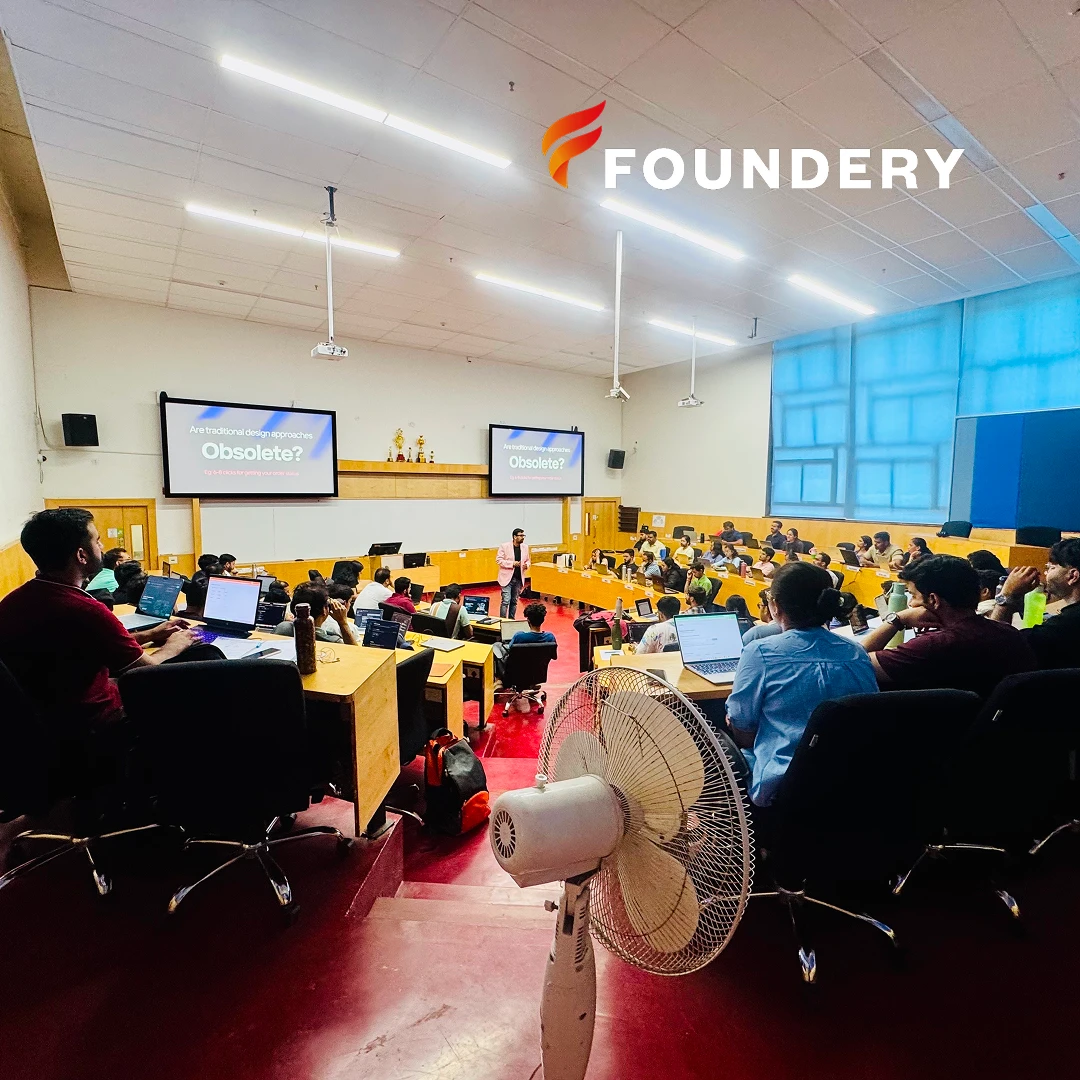
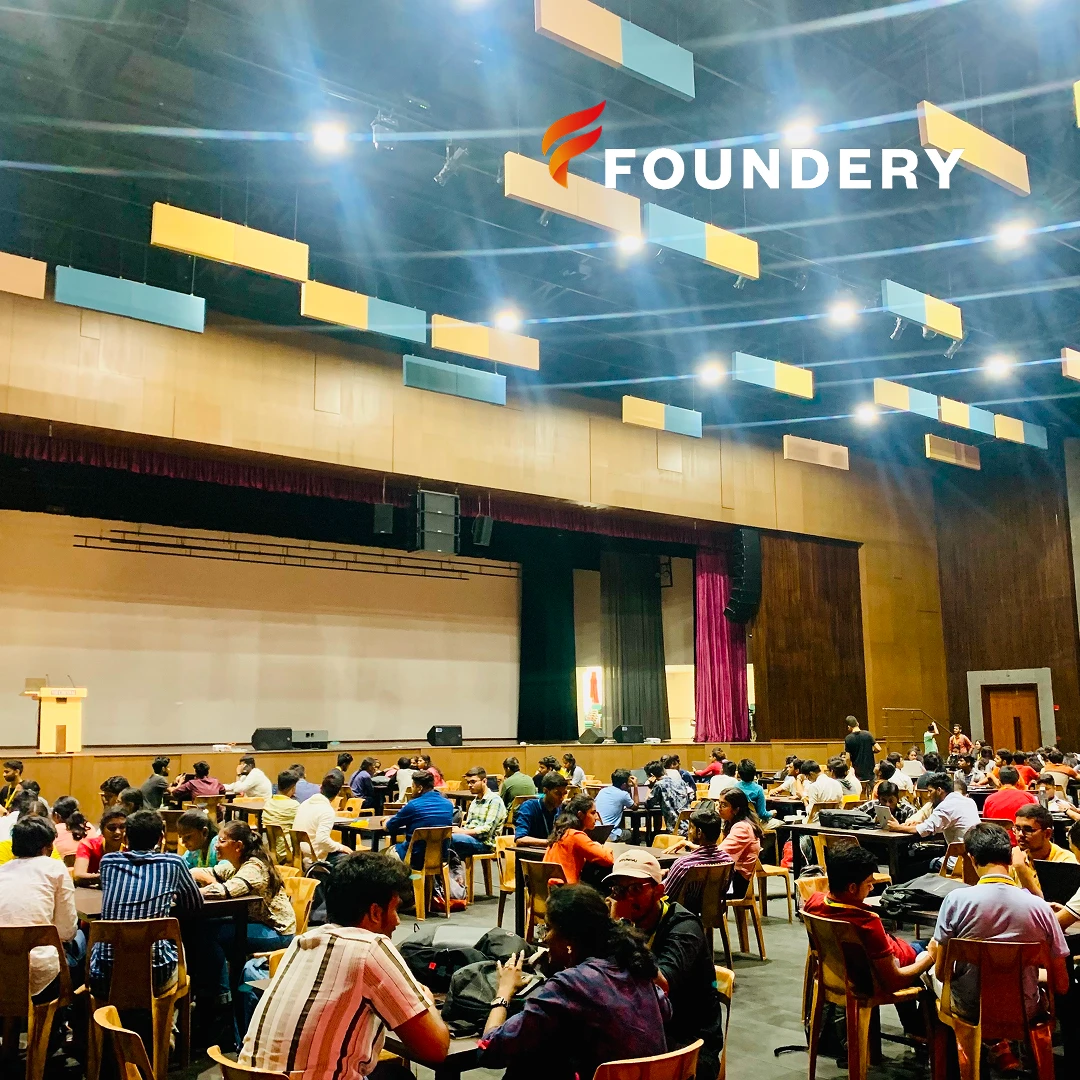
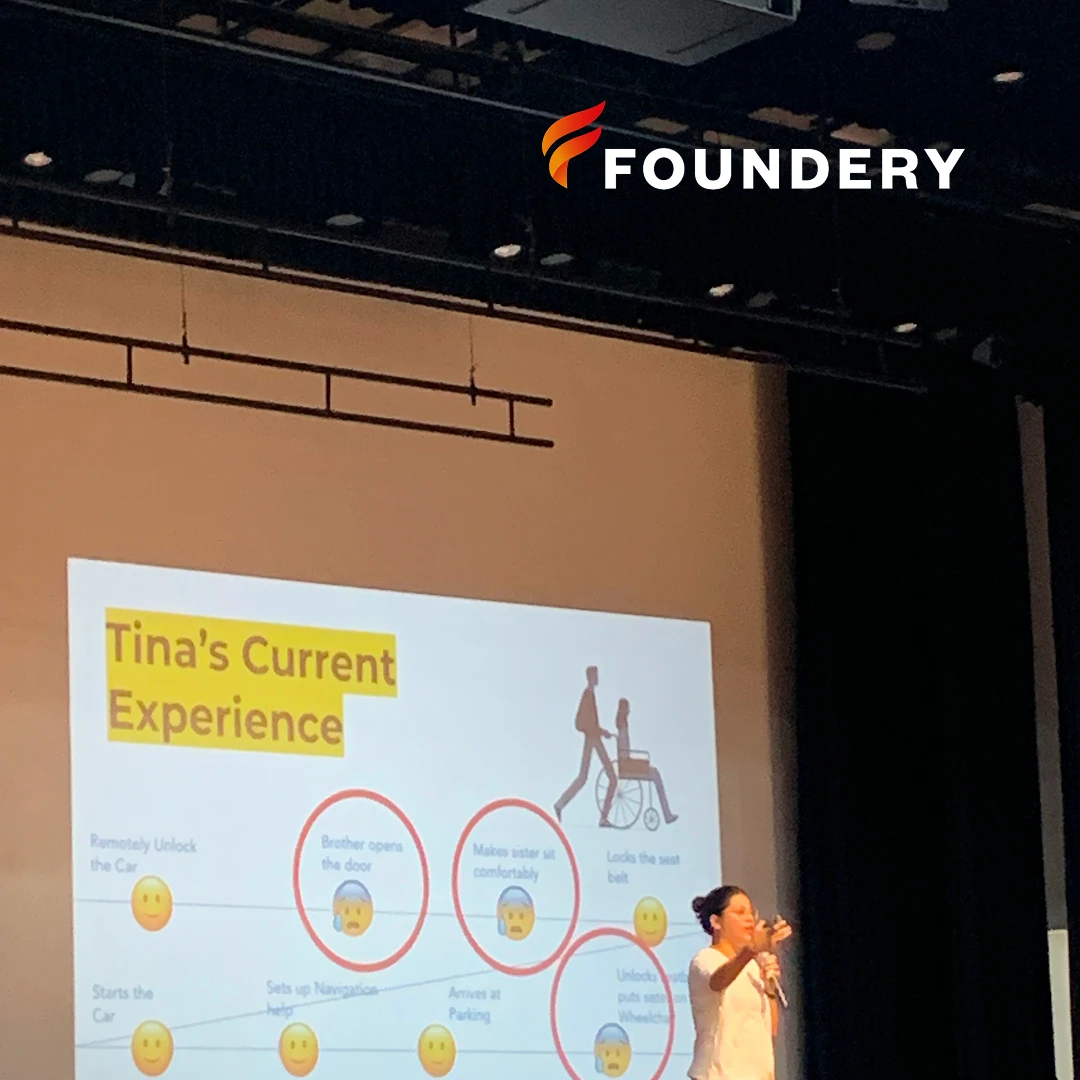
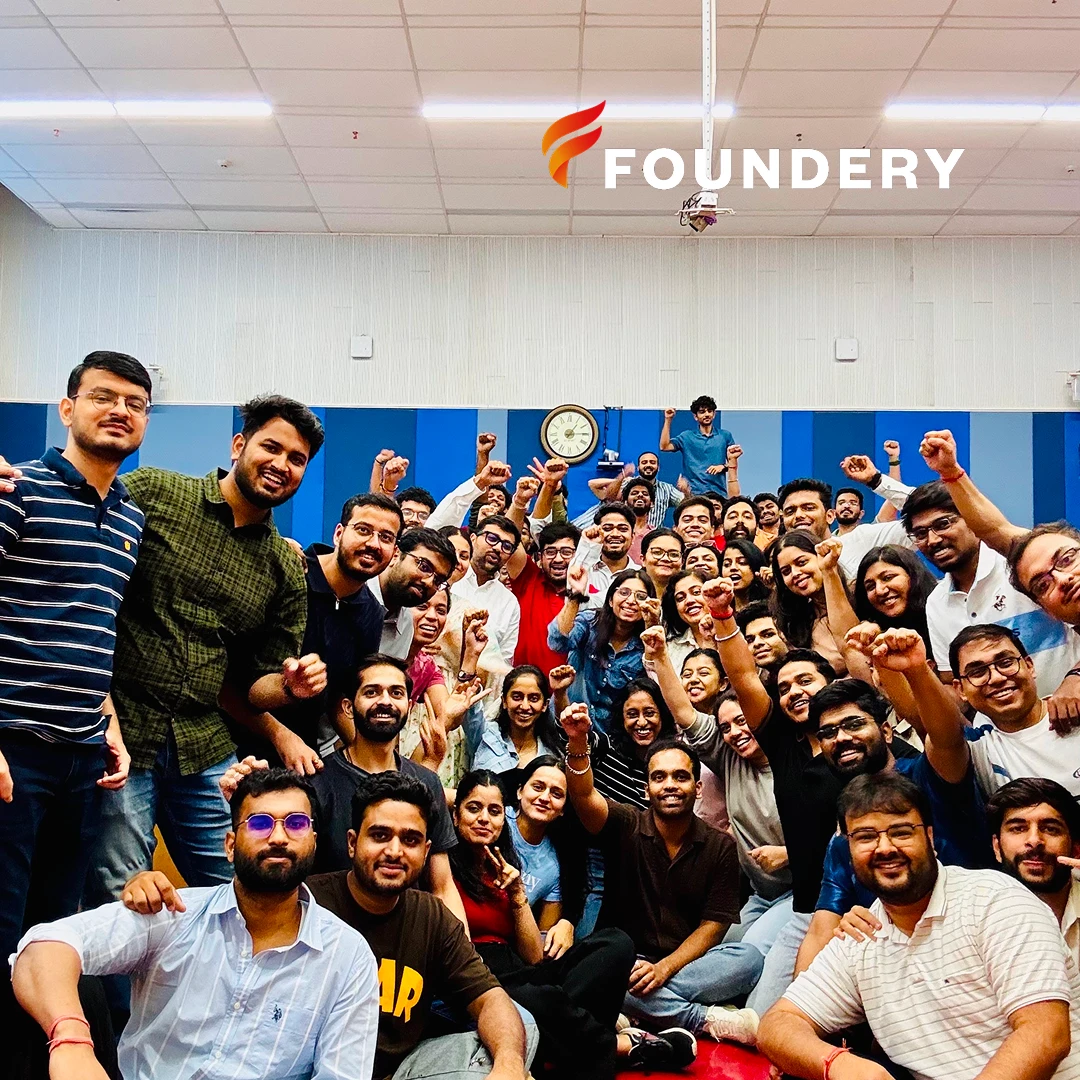

Why Day 2 exists. One of our facilitators built a hackathon feature that became his company's biggest selling point. We designed the second day around that.
We don't teach AI from slides.
We teach it from what we ship.
Partners &
credentials
The same people who teach AI and design thinking at IIM Udaipur and ISBR, and experts, have spent 13 years rebuilding how businesses work. That's who walks into your room.
Completion certificates your team can put on LinkedIn.
[One line on what the Anthropic partnership means. Confirm wording before launch.]
The AI enablement arm of Codewave. Your facilitators ship AI products weekly.
The real gap
Before
Foundery
After
Foundery
The business case
AI used right doubles the ROI and used wrong wastes the spends. Two days teaches your teams the difference.
1 [Source for the 25% and 40% figures: published study or pilot data. Add before launch.]
Two days of their time.Hours back, every week after.
Walk away with
/ 01
At least one tool or workflow built on a real problem on Day 2, demoed to leadership, with a named owner.
/ 02
The prompts that worked in the room, written up by function.
/ 03
A risk baseline from a pre-workshop survey and usage rules people read.
/ 04
Tokens, context, hallucination. Your team can talk about AI, so they keep improving together. Certificates from an OpenAI Select Partner.
How it runs
Every workshop follows the same path, shaped around your team. Nothing off the shelf.
See if we're a fit01
30 minutes to understand where your team is, and whether we're the right fit.
02
A short pre-workshop survey builds your risk baseline: tools, habits, gaps.
03
Accounts ready, training switched off, Day 2 problems shortlisted with your leads.
04
The whole room fluent in the fundamentals by 5pm.
05
Mixed squads build on real problems and demo to leadership.
06
Playbook, guidelines, certificates and a clear next step for every build.
Who runs the room

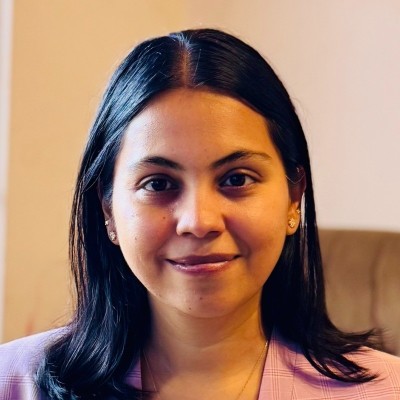
Builds agentic systems for clients across three continents. Guest faculty on AI and design thinking at IIT Madras.
A decade shaping products across India and Southeast Asia. Teaches teams to frame the problem before they prompt.
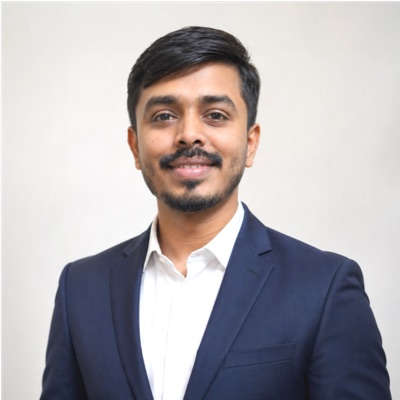
Has trained 100+ engineers and professionals. Runs the hackathon and keeps teams honest about what's useful.
It's built for teams at zero, one or two on AI: founders and CXOs who don't know where to start, HR and L&D heads who want training people show up for, and mixed teams across sales, design, ops, finance and product. It's not for teams already building agents, RAG or using Claude Code and Cursor daily. For that, talk to Codewave.
Yes. They work in their own ChatGPT, Claude or Gemini accounts so the learning goes straight back to their desk. We send a setup checklist before Day 1, including how to switch off training on your data.
No. It's built for mixed rooms: sales, design, ops, finance, HR, product. Nobody needs to code.
A standard room is [X to Y] people so every squad gets a practitioner beside them on Day 2. Larger groups run as parallel tracks over up to four days.
Teams work in their own accounts with training switched off, on anonymised or sample data unless you approve otherwise. Nothing is stored by us, and we sign an NDA before the workshop if you need one.
In person, at your office or a venue you choose. We're based in Bengaluru and travel to [cities covered]. Travel outside [base city] is quoted separately.
[N] weeks is comfortable. It gives us time for a short discovery call, the setup checklist and shortlisting Day 2 problems with your leads.
Train your team to make the most of the sophisticated models you've got them, before you spend more.